Britain's Betting Landscape Evolves as New Regulations and Digital Platforms Reshape Participation Across Sports and Online Markets
Written by Klara Beck · Jul 8, 2026

UK Gambling Commission Rolls Out Staged Financial Risk Assessments Starting July 2026
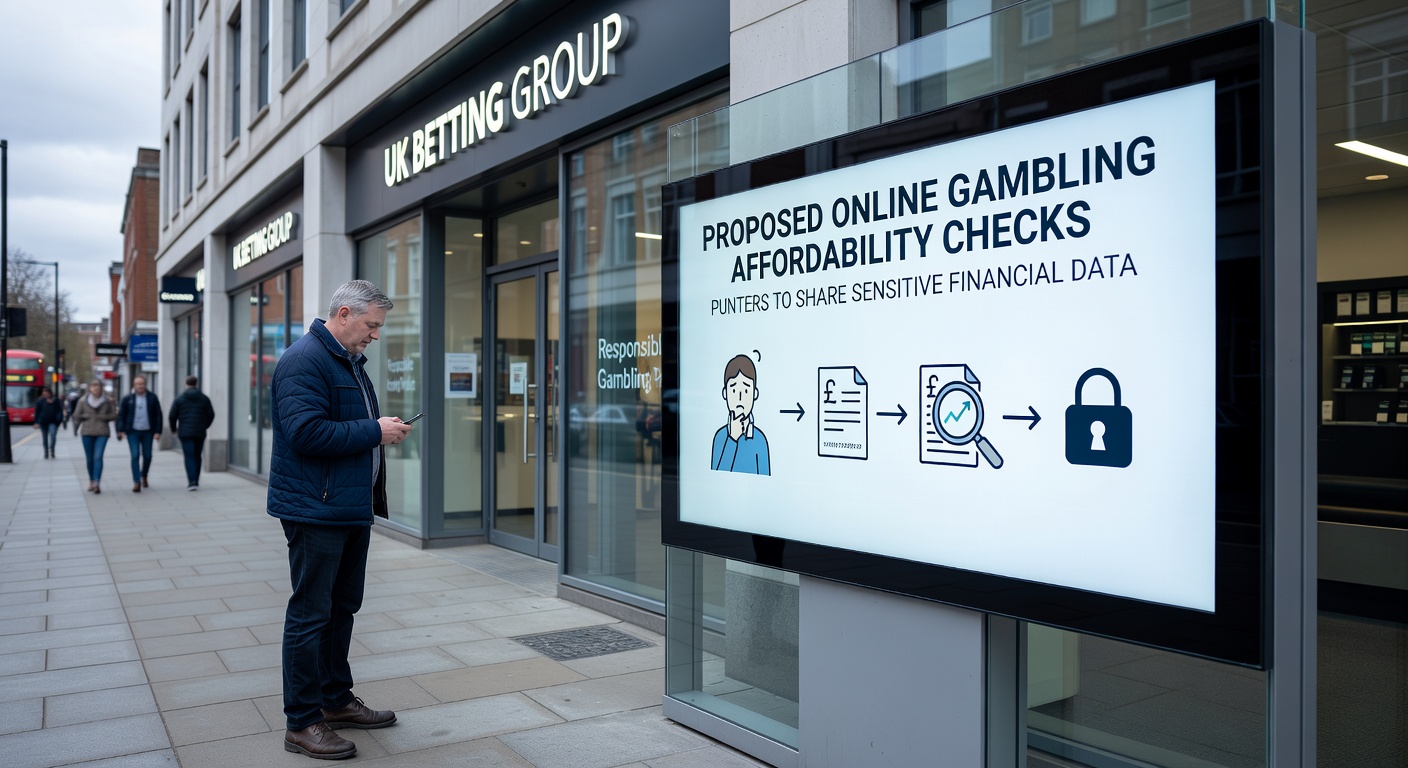
The UK Gambling Commission announced a streamlined, staged approach to financial risk assessments in early July 2026, and this development targets high-spending customers who may face financial difficulties while the regulator maintains its oversight role in the sector.
According to the official announcement, the new framework introduces assessments in phases rather than all at once, which allows operators to identify patterns of spending that could signal distress before problems escalate further.
Key Elements of the Staged Framework
Operators receive clear guidance on how to implement checks at different spending thresholds, beginning with lighter reviews for moderate high spenders and moving toward more detailed evaluations only when data indicates ongoing patterns of concern, and this tiered structure reduces unnecessary friction for the majority of players while focusing resources where they matter most.
The approach emphasizes early intervention through data monitoring, so operators can flag accounts showing rapid increases in deposits or losses that exceed typical behavior for that individual, and support measures might include temporary spending limits or direct outreach to the customer about available help resources.
Enhancing Consumer Protections
Consumer protection sits at the center of this update because the Gambling Commission designed the stages to catch signs of financial strain before they lead to deeper harm, and data from previous regulatory work showed that gradual escalation in checks produces better compliance rates among operators without overwhelming smaller businesses.
High-spending customers benefit from the system because assessments happen in context rather than as blanket rules, which means someone who places larger bets occasionally faces different handling than a person whose activity shows consistent escalation over weeks or months, and this distinction helps maintain a balanced environment across the licensed market.
Maintaining Strong Oversight
Strong oversight remains intact because the Commission retains authority to review operator records and step in when assessments appear incomplete or when support measures fail to address clear risks, and the staged model actually strengthens this position by creating documented checkpoints that inspectors can audit more efficiently.
Operators must log each stage of an assessment along with any actions taken, which creates a transparent trail that demonstrates compliance during routine or targeted reviews, and this record-keeping requirement aligns with existing license conditions while adding specificity to financial monitoring practices.
Implementation Timeline and Operator Responsibilities
Rollout follows a clear schedule that begins in July 2026, giving operators several months to update their internal systems and train staff on the new thresholds and response protocols, and the Commission provided sample templates for risk flagging to speed up adoption across remote and land-based sectors alike.
Those who operate multiple brands face additional coordination requirements because the staged checks must apply consistently regardless of how customers access different sites or venues under the same license, and failure to align these processes could trigger further scrutiny from the regulator during the transition period.
Supporting High-Spending Customers Effectively
Support for customers forms a core part of every stage because the framework requires operators to offer information about financial advice services or self-exclusion options when assessments reveal potential difficulties, and the goal centers on helping individuals regain control rather than simply restricting play without context.
Evidence from earlier pilot programs indicated that customers respond better when contacted with specific data about their spending trends instead of generic warnings, and the staged model builds on that finding by allowing tailored conversations at the right moment in the assessment process.
Conclusion
The July 2026 announcement marks the latest step in the Gambling Commission's ongoing work to refine regulatory tools around financial risk, and the staged approach provides operators with a practical pathway to meet higher standards while protecting the customers who need attention most. Operators now have a defined structure to follow, and the Commission continues its role of monitoring outcomes to ensure the system delivers on its intended protections.