Loss Limits and Table Game Promotions Shape Controlled Online Play Patterns
Written by Taylor Hoffmann · Jun 28, 2026
Loss Limits and Table Game Promotions Shape Controlled Online Play Patterns
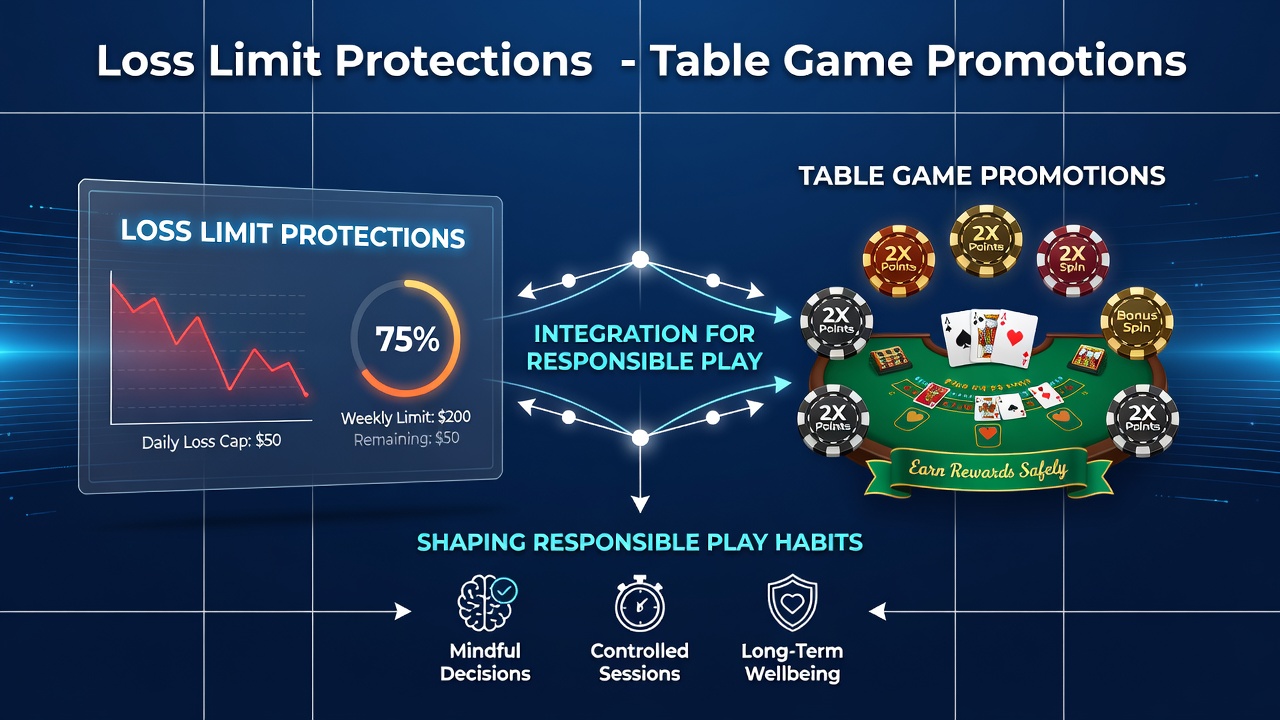
Loss limit protections allow players to set maximum amounts they can lose over specific time periods, and these tools interact directly with table game promotions such as deposit matches for blackjack or roulette cashback offers. Platforms integrate both features so that promotional play remains within predefined boundaries, which influences how participants manage sessions across digital environments.
Data from multiple jurisdictions shows that operators began linking these systems more tightly after 2024 updates to player protection standards. By June 2026 many sites required users to review or activate loss limits before claiming table game incentives, creating a built-in checkpoint that encourages awareness of spending thresholds during promotional periods.
Mechanics of Loss Limit Protections
Loss limit features operate through account settings where individuals choose daily, weekly, or monthly caps on net losses across all games. Once the threshold is reached the system suspends further wagers until the period resets, and this mechanism applies uniformly whether the activity stems from standard play or promotional funds. Research from the National Council on Problem Gambling indicates that players who activate these controls before engaging with bonuses maintain lower average session lengths compared with those who do not set limits in advance.
Operators track compliance through backend reporting that flags accounts approaching their chosen caps, sending automated notifications that prompt users to pause or adjust activity. These alerts often coincide with promotional expiry reminders, which ties the two systems together at the moment when players might otherwise extend play to meet bonus wagering requirements.
Table Game Promotions and Their Structure
Table game promotions typically include percentage-based deposit bonuses, risk-free bets on specific wheels or felt games, and cashback percentages applied to net losses during a promotional window. These offers carry wagering conditions that convert bonus amounts into withdrawable cash, and the conditions frequently reference table games because of their lower house edges relative to slots. When platforms attach loss limits to these incentives the promotional value becomes capped, which prevents the bonus from driving unlimited exposure even if the player continues until the loss ceiling activates.
Studies conducted by the Australian Gambling Research Centre reveal that promotional uptake increases when loss limit prompts appear during the opt-in process, yet overall net expenditure stays flat or declines because the cap interrupts extended losing streaks that would otherwise occur under bonus pressure alone.
Combined Effects on Player Behavior
The interaction produces measurable shifts in session patterns because loss limits create hard stops while promotions supply the initial motivation to engage. Players who combine both elements tend to initiate sessions with a clear financial boundary already established, then allocate promotional credits within that boundary rather than chasing additional deposits once limits near. Observers note that this sequencing reduces the likelihood of impulsive top-ups during table game rounds where bonus multipliers remain active.
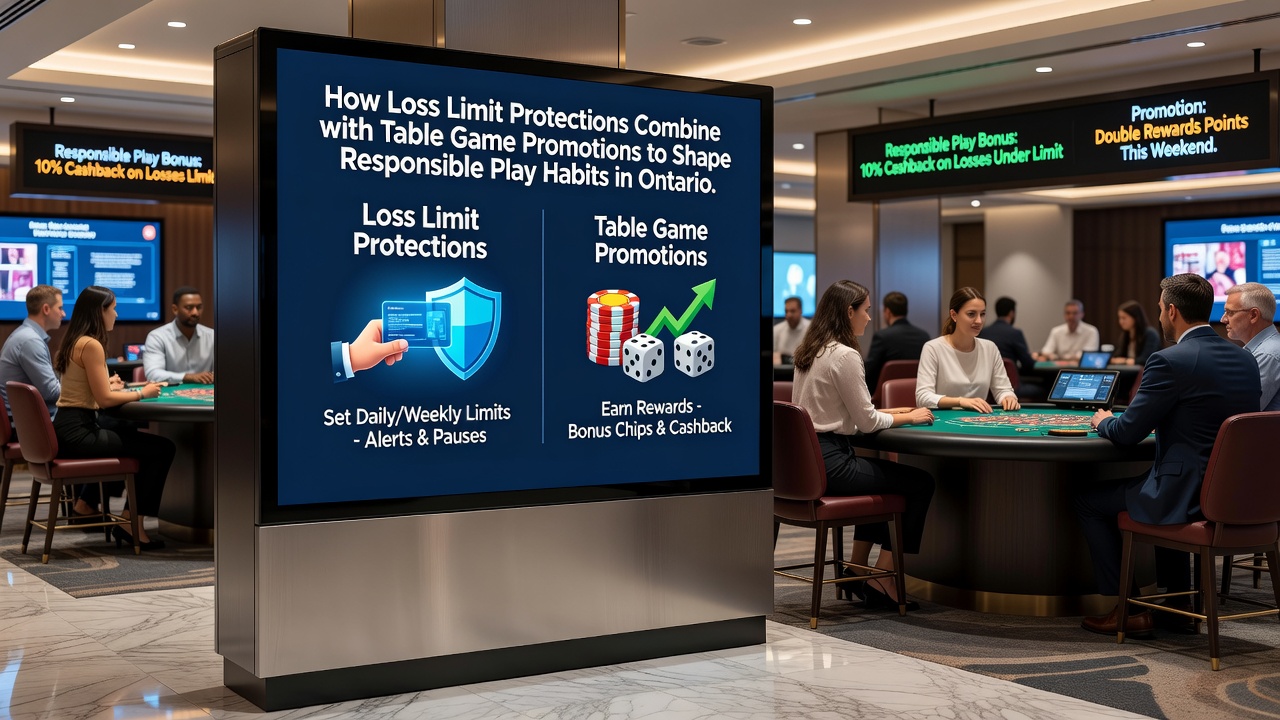
According to reports from the Canadian Centre on Substance Use and Addiction, accounts using both loss limits and promotional offers recorded a 19 percent reduction in instances where players exceeded their intended spend compared with accounts using promotions without limits. The same data set showed that repeat engagement with table games stayed consistent, suggesting the combination supports continued participation without proportional increases in risk exposure.
Platform Implementation Trends Through Mid-2026
By June 2026 several major operators had introduced unified dashboards that display remaining loss limit headroom alongside active promotional progress bars. This design choice places both pieces of information on one screen, allowing users to track bonus wagering completion against their preset cap without switching menus. Industry analyses indicate that such interfaces correlate with higher completion rates for responsible gambling self-assessments at the start of promotional campaigns.
Regulatory frameworks outside the United Kingdom, including those administered by state-level bodies in the United States and provincial regulators in Canada, have begun requiring operators to demonstrate that promotional terms do not override or obscure loss limit functionality. These rules emphasize that any table game offer must remain subordinate to the player's chosen financial controls, reinforcing the protective hierarchy.
Conclusion
Loss limit protections and table game promotions together establish a framework where promotional engagement occurs inside predefined financial boundaries. Evidence gathered across multiple regions demonstrates that this pairing supports steadier play patterns by interrupting potential loss escalation while still delivering the incentives that attract participation. As platforms continue refining these integrations through 2026, the emphasis remains on simultaneous presentation of both tools so that players maintain visibility over spending ceilings during every promotional cycle.