UK Gambling Yield Reaches £4.3 Billion in Q2 2025 as Commission Data Spotlights Betting Shops and Remote Surge

The Latest Quarterly Snapshot from the Gambling Commission
The UK Gambling Commission has unveiled its official industry statistics for the second quarter of the financial year spanning April 2025 to March 2026, covering the period from July to September 2025; these figures capture total gross gambling yield (GGY) at £4.3 billion across Great Britain, encompassing lotteries and all licensed segments, while licensed operators submitted the data amid a landscape shaped by ongoing regulatory adjustments.
Gross gambling yield, which measures the net proceeds from gambling activities after deducting winnings paid out to players, serves as a key indicator of sector health; for this quarter, the £4.3 billion mark reflects activity from both land-based venues and online platforms, with breakdowns revealing distinct patterns in betting behaviors.
Observers note how such quarterly reports, released regularly by the Commission, provide stakeholders with timely insights into market dynamics, especially as the financial year progresses toward its March 2026 close; data like this helps track performance against prior periods, although this release focuses squarely on Q2 outcomes.
Non-Remote Betting Holds Steady with Shop-Centric Contributions
Non-remote betting generated £592 million in GGY during the quarter, accounting for 48.2% of the total non-remote GGY and stemming from operations across 5,782 betting shops throughout Great Britain; these venues, a staple of high streets and communities, continue to draw punters for in-person wagering on sports, horses, and other events, even as digital alternatives proliferate.
That 48.2% share underscores the dominance of betting within the physical gambling ecosystem, where session counts and machine plays contribute alongside traditional over-the-counter bets; figures from the Commission's quarterly report detail how these shops maintained operations, supporting local economies while adhering to licensing requirements.
But here's the thing: with 5,782 locations active, the sector demonstrates resilience, as shop numbers have held relatively stable despite closures in previous years; experts who analyze these trends point out that football seasons and major sporting events often bolster shop yields, and Q2 timing aligns with peak summer activities like horse racing festivals.
Remote Sectors Power Ahead in RCBB Category
Remote activities within the RCBB segment—remote casino, betting, and bingo—racked up £2.0 billion in GGY, forming a substantial portion of the overall £4.3 billion total and illustrating the shift toward online platforms; remote betting, as a key pillar here, benefits from app accessibility and live streaming, drawing users who wager on everything from Premier League matches to international cricket.
Data indicates that this £2.0 billion reflects combined remote efforts, where betting joins casino games and bingo sessions; people who've studied migration patterns in gambling note how convenience drives remote growth, particularly among younger demographics comfortable with mobile devices, although land-based options persist for those preferring the atmosphere of a bustling shop.
What's interesting is the interplay: while non-remote betting shops report £592 million, the remote RCBB's £2.0 billion dwarfs it in scale, yet both contribute to the broader £4.3 billion picture that includes lotteries; lotteries alone often command significant shares in total GGY, buoyed by national draws and scratch cards sold through retail networks.
Breaking Down the Broader GGY Landscape
Total GGY of £4.3 billion encompasses diverse segments beyond just betting; lotteries, for instance, integrate into this figure, as do casinos, arcades, and bingo halls, creating a multifaceted view of Great Britain's gambling economy during July through September 2025.
Take the non-remote realm: with betting at 48.2% of its total GGY, the remaining share spreads across gaming machines, casinos, and other activities; researchers crunching the numbers from the XLSX datasets in the report reveal how machine stakes and payouts factor heavily, especially in pubs and clubs equipped with fixed-odds betting terminals.
And then there's the remote side, where RCBB's £2.0 billion highlights digital innovation; remote betting within this likely surged due to major events like the back half of the football season ramp-up, while casino elements—think slots and table games—add variety for online users.
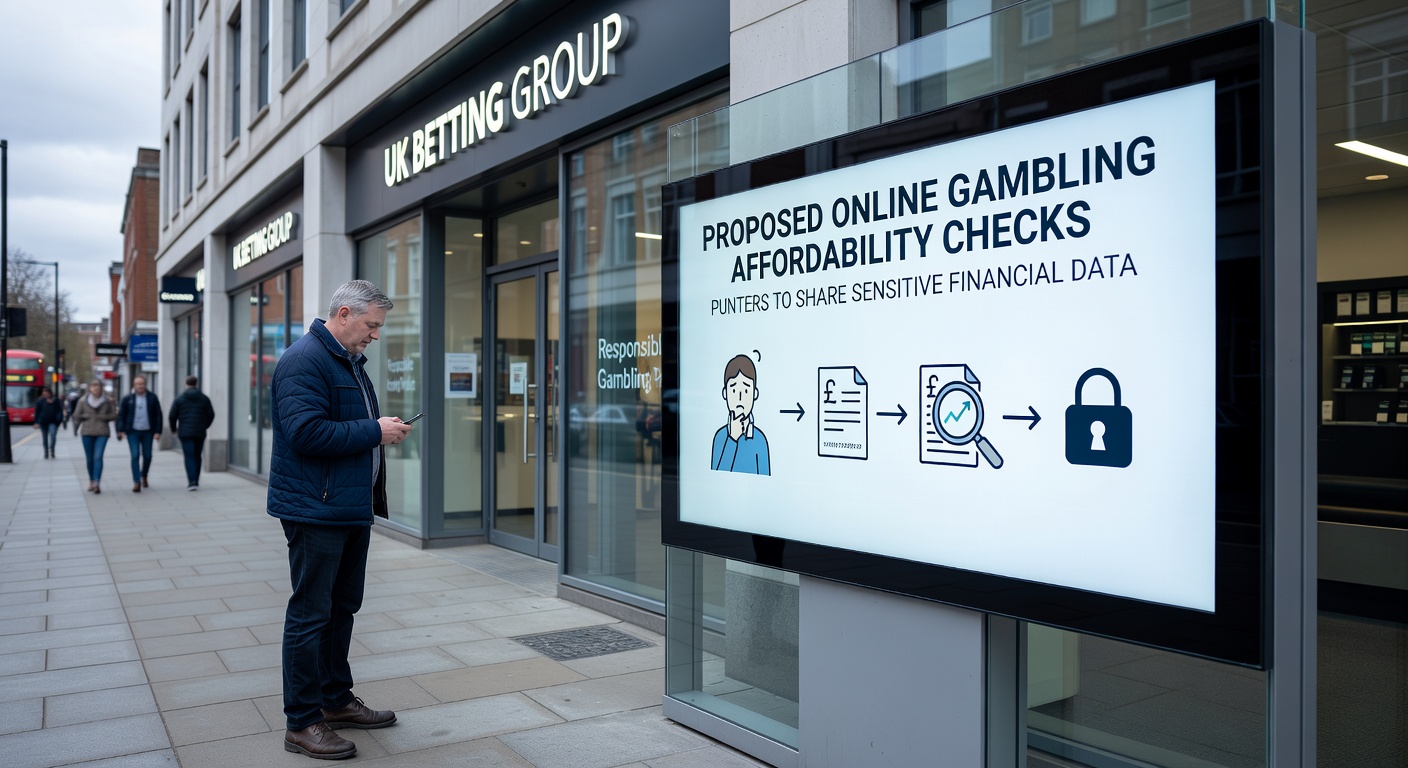
Turns out, these quarterly stats also flag active licenses and operator compliance; the Commission verifies submissions from licensed entities, ensuring figures align with regulatory standards amid changes like affordability checks rolling out progressively into 2026.
One case where patterns emerge involves comparing shop counts: 5,782 outlets mean an average GGY per shop of around £102,000 for the quarter in betting alone, a metric that operators track closely; such per-venue insights help contextualize national totals, showing where the rubber meets the road in daily operations.
Regulatory Context and Market Performance Signals
Licensed operators reported these numbers against a backdrop of evolving rules, including stake limits on certain machines and enhanced player protections; the Q2 data, covering summer months, captures performance before winter peaks, offering a baseline as the year heads toward March 2026.
Experts observe that steady shop yields signal adaptation, with promotions and loyalty schemes keeping footfall alive; remote RCBB's scale, meanwhile, aligns with broader tech adoption, where apps handle seamless deposits and withdrawals.
It's noteworthy that total GGY inclusion of lotteries smooths out volatility from pure betting fluctuations; for punters and analysts alike, these figures paint a picture of a mature market balancing tradition with modernity, all under Commission oversight.
So, as March 2026 approaches—the endpoint of this financial year—stakeholders eye how Q3 and Q4 might build on this £4.3 billion foundation; historical trends suggest seasonal uplifts from holidays and sports, but current data stands on its own merits.
- Total GGY: £4.3 billion, including lotteries.
- Non-remote betting: £592 million (48.2% of non-remote total) from 5,782 shops.
- RCBB remote: £2.0 billion, powering online growth.
Those lists capture the essentials, yet deeper dives into the report's tables uncover session numbers, stakes, and payouts that flesh out the story; for instance, betting shops log millions of visits quarterly, sustaining their role despite remote competition.
Implications for Operators and Punters
Operators leverage such data for strategic planning, adjusting marketing in shops or boosting remote features; punters, on the other hand, encounter these yields indirectly through odds and game availability shaped by overall performance.
But here's where it gets interesting: the 48.2% betting share in non-remote underscores its centrality, prompting questions on diversification; remote bettors, accessing RCBB platforms, enjoy 24/7 options that shops can't match, blending convenience with competitive lines.
People who've followed Commission releases over years know consistency matters; this Q2's £4.3 billion fits patterns of steady expansion, tempered by regulations ensuring sustainable play.
Now, with the full financial year unfolding, these July-September stats set expectations; lotteries provide stability, betting shops offer community anchors, and remote sectors drive volume—all converging in that headline £4.3 billion.
Wrapping Up the Q2 Insights
The Gambling Commission's Q2 report for April 2025 to March 2026 lays bare a £4.3 billion GGY reality, where non-remote betting's £592 million from 5,782 shops claims 48.2% of its category, while remote RCBB hits £2.0 billion; these numbers, drawn from licensed operators, highlight a sector navigating regulations with poise, offering a clear-eyed view as the year advances.
Stakeholders from boardrooms to betting counters parse every figure, recognizing how they signal health amid change; for now, the data speaks volumes, charting a path through summer's wager waves toward whatever March 2026 brings.