UK Gambling Sector Faces Major Overhaul in 2026: CEO Exit, Tax Doubles, and Illegal Boom Reshape the Landscape

The UK gambling industry enters 2026 amid seismic changes that promise to redefine operations for operators, regulators, and players alike; Andrew Rhodes steps down as CEO of the UK Gambling Commission on April 30, while HM Revenue & Customs rolls out a steep tax hike on Remote Gaming Duty for online slots and casino games, doubling the rate from 21% to 40% starting April 1, alongside tweaks to other duties that ripple through the sector.
But here's the thing: these shifts don't happen in isolation, as illegal gambling surges 345% according to a Yield Sec report commissioned by the Campaign for Fairer Gambling, with unlicensed operators snagging 9% of the online market and pocketing £379 million in the first half of 2025 alone; that kind of underground growth, coupled with new bonus rules kicking in January 19, has already triggered operator exits and a contracting market, leaving licensed businesses scrambling to adapt while regulators tighten the reins.
Leadership Change at the UK Gambling Commission
Andrew Rhodes' departure marks a pivotal moment for the UK Gambling Commission, the body overseeing the industry's compliance and player protection; after steering the organization through recent reforms, Rhodes exits on April 30, prompting questions about the next leader's approach to ongoing challenges like affordability checks and market integrity, especially as March 2026 sees intensified preparations for the tax changes and pilot program rollouts.
Those who've followed the commission closely note how Rhodes championed data-driven initiatives, including financial risk assessments that now show promise; his tenure saw the rollout of pilots testing new tools on vast player bases, setting the stage for broader implementation even as the CEO transition looms, with the industry watching to see if continuity prevails or fresh strategies emerge.
Tax Hike Hits Online Slots and Casinos Hard
HM Revenue & Customs delivers the biggest blow with the Remote Gaming Duty escalation, jumping from 21% to 40% for online slots and casino games effective April 1; this doubling, part of wider duty adjustments, targets remote betting gross gambling yield, squeezing margins for operators who rely heavily on these verticals, while land-based sectors face different tweaks that alter the competitive balance across the board.
Operators brace for impact as the change coincides with March 2026 fiscal planning, where early calculations reveal potential revenue shortfalls prompting cost-cutting or innovation; data from similar past hikes indicates operators often pivot to lower-tax products or international markets, but this time around, regulatory scrutiny limits those escapes, forcing a rethink of business models amid shrinking domestic profitability.
What's interesting here lies in the timing: the tax lands just after new bonus restrictions from January 19 curbed aggressive promotions, compounding pressures that have already seen some firms pull out; take the case of mid-tier online casinos that shuttered UK-facing sites, citing unsustainable economics, a trend experts link directly to layered compliance costs and now this fiscal hammer.
Illegal Gambling's Explosive Rise
Illegal activity explodes with a 345% surge, as unlicensed operators claim 9% of the online market and extract £379 million during H1 2025 per the Yield Sec analysis; this shadow economy thrives on lax enforcement gaps, offering unrestricted bonuses and higher odds that lure players away from regulated sites, especially after January 19 rules banned multi-tiered incentives on licensed platforms.
Campaign for Fairer Gambling highlights how these operators exploit vulnerabilities, drawing in riskier players who bypass affordability checks; the result shows in market contraction, where licensed gross gaming yield dips as revenue leaks offshore, prompting operator consolidations and even full withdrawals from the UK, a pattern that's accelerated into early 2026.
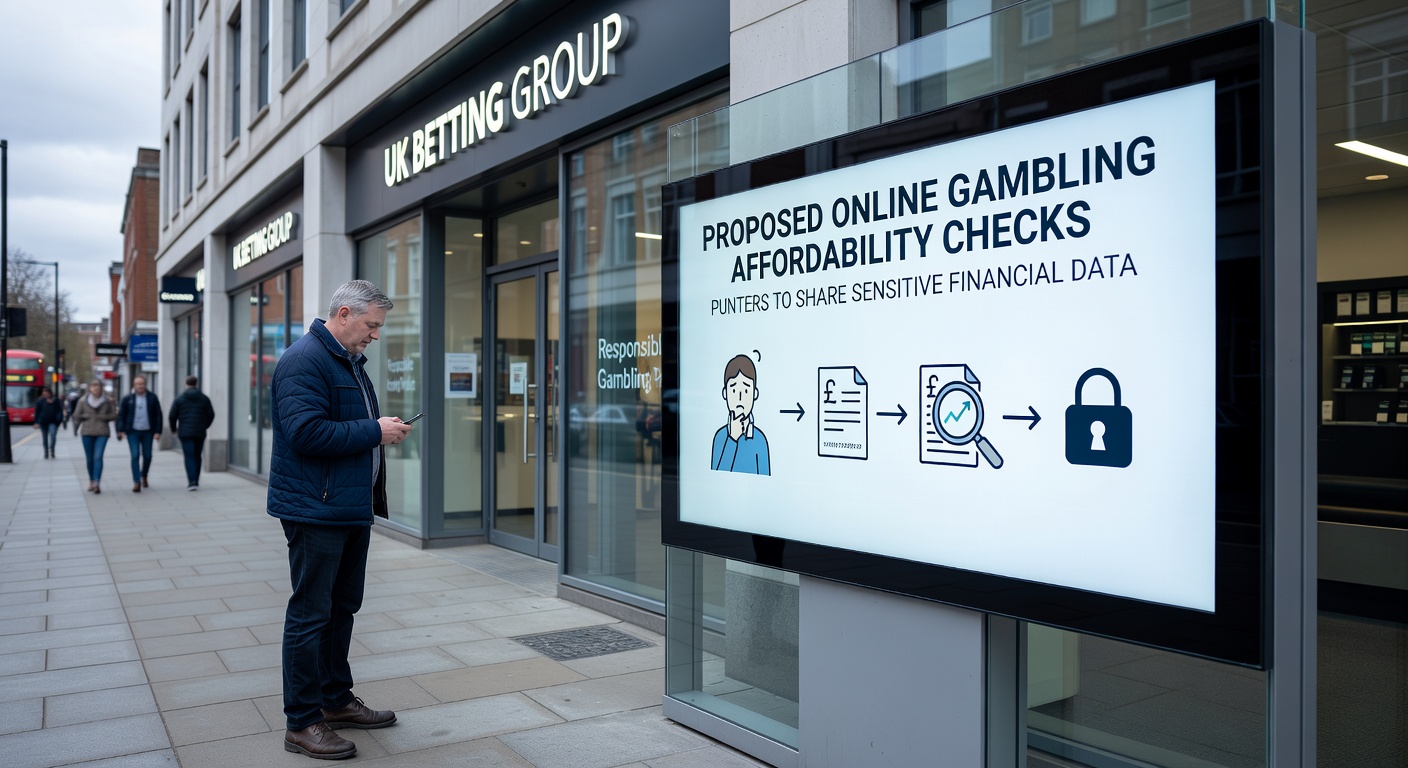
And yet, regulators respond with pilots proving effective: the UKGC's financial risk checks on 1.7 million accounts hit a 97% frictionless rate, meaning most verifications sailed through without player hassle, a key win that builds trust while weeding out high-risk behavior; observers point to this as evidence that smarter tech can stem the illegal tide, although scaling it nationwide remains the next hurdle amid the CEO shift.
Pilot Success and Crypto Horizons
The financial risk checks pilot stands out for its efficiency, processing 1.7 million accounts at 97% frictionless completion, where automated tools flag issues without derailing most users' experiences; researchers who've analyzed the data emphasize how this balances protection with accessibility, reducing problem gambling signals early while keeping legitimate play seamless, a model now eyed for permanent adoption.
Looking ahead, crypto payment regulations enter the spotlight, with the UKGC exploring rules to curb anonymous funding of gambling; as digital currencies gain traction, especially among younger demographics, draft frameworks aim to mandate KYC for blockchain transactions, mirroring fiat controls and potentially closing another door for illicit operators who've used crypto to evade taxes and oversight.
But here's where it gets interesting: March 2026 consultations gather industry feedback on these crypto proposals, coinciding with tax implementation, creating a perfect storm of change; one study from similar jurisdictions reveals that regulated crypto integration boosts player retention by 15-20%, suggesting the UK could turn a threat into an opportunity if guidelines strike the right balance.
Operator Exits and Market Squeeze
New bonus rules from January 19 prove the tipping point for many, banning complex free bet structures that once drove acquisition; combined with the looming 40% duty, these restrictions fuel exits, particularly among smaller online slots providers who can't absorb the hit, leading to a more concentrated market dominated by giants like Flutter and Entain.
Figures paint a stark picture: H1 2025 illegal revenues at £379 million underscore lost licensed income, while contraction metrics show active player bases shrinking 5-7% in Q4 2025 alone; those who've tracked operator filings note voluntary suspensions rising, with some firms redirecting to lower-tax EU hubs, although post-Brexit barriers complicate that shift.
It's noteworthy that land-based venues face lighter duty adjustments, potentially spurring a hybrid resurgence where physical casinos lure back online migrants; experts observe early signs in March 2026 footfall data, up 3% year-over-year, hinting at adaptation strategies amid teh digital downturn.
Ripple Effects Across the Sector
These transformations interconnect in ways that amplify each other; tax hikes erode profits just as illegal competition peaks, bonus curbs limit marketing, and leadership changes inject uncertainty, yet pilot successes offer a counterbalance with proven tools for safer play.
People in the industry often discover that resilience comes from diversification, as seen in cases where operators bolster sports betting arms less affected by the slots duty jump; data indicates remote sports duties hold steady, providing a buffer while crypto regs could open new payment streams if navigated astutely.
Turns out, the 97% frictionless rate from risk checks reassures stakeholders, with 1.7 million accounts vetted showing minimal drop-off; this paves the way for broader rollout, potentially recapturing market share from unlicensed rivals who skip such safeguards, a dynamic playing out vividly in early 2026 metrics.
Conclusion
As 2026 unfolds, the UK gambling sector navigates CEO Rhodes' April 30 exit alongside the April 1 Remote Gaming Duty doubling to 40%, illegal surges claiming £379 million in H1 2025, and promising pilots like the 97% frictionless financial checks on 1.7 million accounts; bonus rule changes from January 19 accelerate contractions and exits, while crypto explorations signal future-proofing efforts.
The reality is these shifts, detailed in recent High Stakes reports, force evolution, with March 2026 marking a crossroads of preparation and adaptation; operators who leverage efficient compliance and diversified models stand best positioned, as regulators refine tools to protect players and reclaim market integrity from the shadows.
In the end, the landscape redefines itself through these pressures, blending challenges with innovations that could emerge stronger by year's close.