UK Betting Shops Steady at 5,782 While Online Gambling Yield Soars to £2 Billion in Q2 2025-26

The Latest from the Gambling Commission
Observers tracking the UK gambling landscape have zeroed in on the UK Gambling Commission's quarterly industry statistics for Quarter 2 of the 2025-2026 financial year, covering July through September 2025; these figures, released amid ongoing discussions in March 2026 about the full year's trajectory, paint a clear picture of a sector where physical venues hold firm even as digital platforms pull ahead. Data reveals 5,782 betting shops operating across Great Britain during this period, a number that underscores stability in the brick-and-mortar side of wagering, while generating £592 million in Gross Gambling Yield (GGY) from non-remote betting activities. That's no small feat, considering non-remote betting accounted for 48.2% of the total non-remote GGY, highlighting how traditional shops continue to anchor a significant slice of the market despite the online surge.
But here's the thing: the remote casino, betting, and bingo sectors reported a whopping £2.0 billion in total GGY, a figure that dwarfs the physical operations and signals the growing dominance of online gambling; experts point out this contrast as key to understanding current trends, especially with the financial year running through March 2026 and regulators keeping a close eye on shifts. Turns out, while betting shops maintain their presence on high streets from London to Glasgow, it's the apps and websites that are capturing the bulk of player spend, reflecting broader patterns in consumer behavior where convenience often trumps the in-person experience.
Betting Shops: A Stable Fixture on the High Street
Across Great Britain, 5,782 betting shops stood ready to serve punters in Q2 2025, a count that shows little fluctuation from prior quarters and speaks to the resilience of physical wagering hubs; these venues, often tucked into community corners or bustling urban strips, generated £592 million in GGY from non-remote betting, which operators define as stakes placed directly in-shop without remote tech involvement. What's interesting is how this slice represented 48.2% of all non-remote GGY, meaning other non-remote activities like arcades or bingo halls chipped in the rest, yet betting shops remain the heavy hitters in that category.
People who've studied these patterns note that such stability comes amid economic pressures and evolving habits, but the numbers don't lie: £592 million flowed through those tills, supporting jobs, local economies, and a familiar betting culture that's been part of British life for decades. And while closures have made headlines in years past, this quarter's tally suggests the bleeding has slowed, with operators adapting through tech integrations like self-service terminals that blend old-school charm with modern efficiency; take one high street in Manchester where shops report steady footfall from loyal regulars, proving the physical draw endures even as screens compete for attention.
Now, drilling down, GGY—the difference between stakes taken and winnings paid out—offers a true measure of operator revenue after payouts, so £592 million indicates healthy activity levels without the volatility seen in remote spaces; observers highlight this as a buffer against online disruptions, since shops cater to those who prefer the social buzz of cheering a horse race live or chatting odds with staff.
Remote Sectors Pull Ahead with £2 Billion Milestone
The real story, though, unfolds online, where remote casino, betting, and bingo combined for £2.0 billion in GGY during July to September 2025; this total, encompassing everything from virtual slots to live dealer tables and in-play sports wagers, dwarfs the non-remote figures and cements digital platforms' lead in the UK's gambling ecosystem. Data indicates remote betting alone likely drove much of that growth, fueled by mobile access and promotions that keep players engaged round the clock, while casino and bingo add variety for those seeking slots or virtual halls.
What's significant here is the sheer scale: £2.0 billion means operators in this space raked in substantial yields, reflecting millions of transactions across apps and sites licensed in Great Britain; for context, that's over three times the non-remote betting GGY, a gap that's widened as smartphones become the go-to for wagering. Researchers who've crunched similar past quarters observe how events like major football tournaments or horse racing festivals spike remote activity, turning casual browsers into active bettors with just a tap.
Yet stability in physical shops provides balance, as the report shows non-remote infrastructure holding steady; this duality—5,782 shops versus the borderless online realm—defines the quarter's narrative, especially with March 2026 approaching and annual aggregates taking shape. One case from the data underscores it: while shops logged £592 million, remote's £2.0 billion points to a market where digital innovation meets mass adoption, and that's where the rubber meets the road for future regulations.
Breaking Down the GGY Split and What It Means
Total non-remote GGY, of which betting contributed 48.2%, hints at a diverse offline landscape including lotteries and machines, but the spotlight stays on those 5,782 betting shops churning out over half a billion; compare that to remote's unified £2.0 billion powerhouse, and patterns emerge of a hybrid industry adapting to tech while preserving roots. Figures reveal non-remote betting's share as a reliable constant, even as overall yields climb, with the Gambling Commission's data capturing a snapshot before Q3 and Q4 data rounds out the year to March 2026.
And consider the players: those hitting shops often favor fixed-odds machines or over-the-counter bets on sports, generating that £592 million steadily; online punters, meanwhile, dive into broader options, from esports to virtual sports, pushing remote totals skyward. It's noteworthy that GGY growth in remote sectors aligns with rising smartphone penetration, where apps deliver seamless experiences that shops can't always match, although hybrid models—like shop-linked online accounts—are bridging the gap.
Turns out, the 48.2% benchmark for non-remote betting within its own category shows internal strength, a detail experts flag as vital for assessing shop viability; with 5,782 locations operational, coverage spans urban centers and suburbs alike, ensuring accessibility that online can't replicate for everyone, particularly older demographics who stick to high-street familiarity.
Broader Trends Amid Financial Year Progress
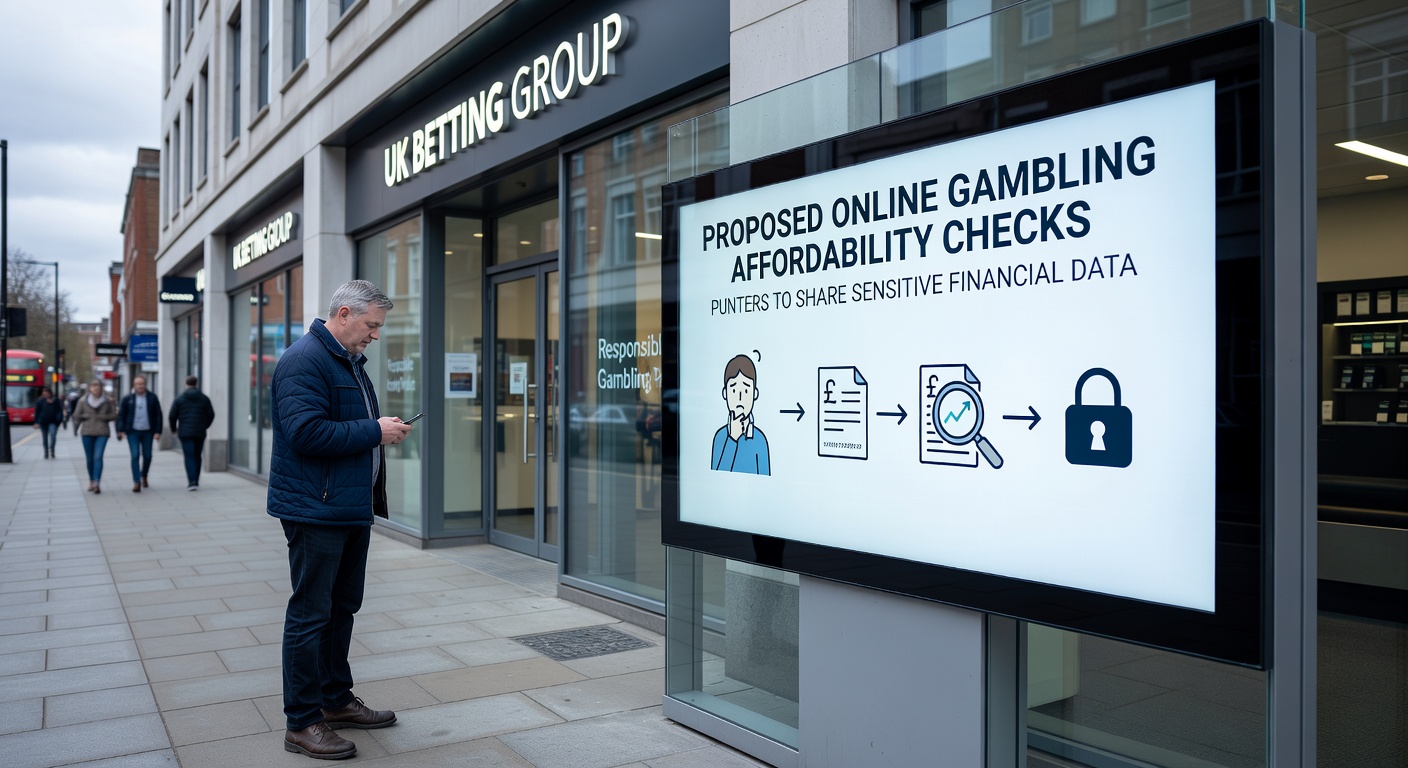
As the 2025-2026 financial year progresses toward its March 2026 close, Q2's stats offer early indicators of momentum, with remote's £2.0 billion signaling robust digital health and betting shops' £592 million affirming physical endurance; the Gambling Commission compiles these quarterly to track licensed activities, ensuring transparency in a regulated market worth billions. Observers note how such reports influence policy, from affordability checks to advertising curbs, all while yields reflect player engagement levels.
So, in one notable example, a cluster of betting shops in the Midlands maintained full operations, contributing to the national 5,782 count and mirroring nationwide steadiness; remote platforms, operating from servers worldwide but licensed locally, amassed their £2.0 billion through diverse verticals, where betting often leads but casinos gain ground via immersive tech. This quarter's data, fresh in March 2026 discussions, underscores a market that's not just surviving but evolving, with non-remote's 48.2% share a testament to betting's enduring pull.
What's interesting about the GGY metrics is their precision: £592 million precisely from non-remote betting, £2.0 billion from remote trio, totals that operators use for planning amid economic headwinds; and as Q3 looms in memory, these figures set the stage for year-end tallies, reminding stakeholders that stability and growth can coexist.
Key Takeaways from Q2 Insights
Wrapping it up, the UK Gambling Commission's Q2 2025-2026 release spotlights 5,782 betting shops delivering £592 million GGY—48.2% of non-remote totals—alongside remote casino, betting, and bingo's £2.0 billion haul; this balance, evident as March 2026 brings the financial year into focus, reveals a gambling sector where tradition meets digital dominance, with data guiding the path ahead. Those analyzing the numbers see clear signals: physical venues endure, online accelerates, and together they form Great Britain's wagering backbone.