UK Gambling Commission Unveils £3.2 Billion GGY Surge in Q2 2025, Remote Sectors Power Ahead

The Fresh Data Drop from the Gambling Commission
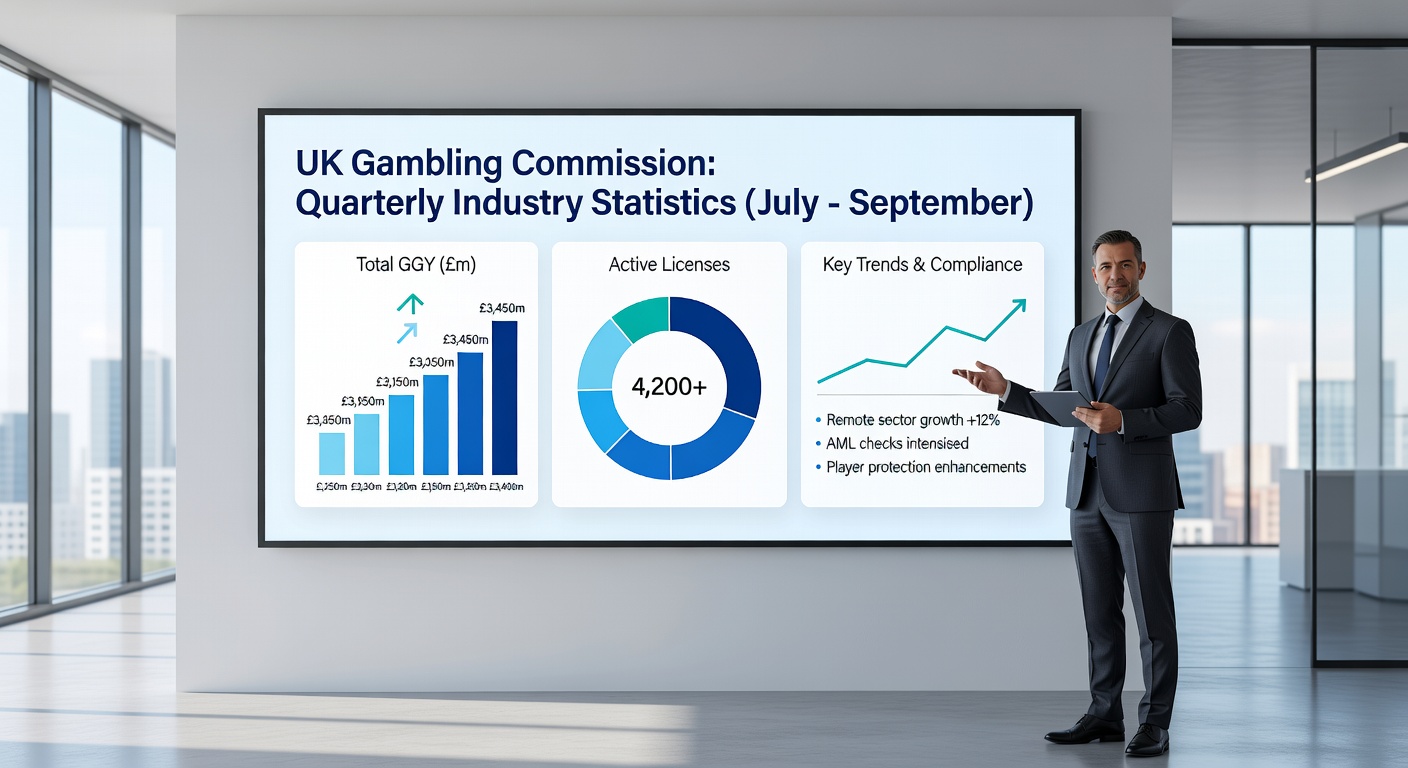
Figures released by the UK Gambling Commission in February 2026 paint a clear picture of the industry's performance during July to September 2025, known as Quarter 2 of the financial year spanning April 2025 to March 2026; total Gross Gambling Yield, or GGY, for Great Britain excluding lotteries clocked in at £3.2 billion, a figure that underscores steady momentum even as seasonal patterns play out across betting shops and online platforms. Remote casino, betting, and bingo sectors led the charge with £2.0 billion in contributions, while land-based betting added £592 million to the tally, showing how digital channels continue to reshape the landscape amid evolving player habits and market dynamics.
What's interesting here is the inclusion of lotteries in the broader customer-facing metrics; when those numbers join the mix, GGY jumps to £4.3 billion for the quarter, marking a 6.6% increase compared to the same period in 2024, with remote operations acting as the primary engine behind that uptick. Observers note this growth aligns with broader trends where online accessibility draws in more activity, especially during summer months when live sports and events ramp up engagement across football leagues, horse racing, and other staples.
Breaking Down the Sector Performances
Remote sectors didn't just contribute the lion's share; they dominated with that £2.0 billion haul from casino games, online betting, and bingo, sectors that have seen operators invest heavily in tech upgrades and mobile apps to capture users on the go, while land-based betting held firm at £592 million despite fewer footfalls in high street shops during warmer weather. Data indicates remote casino alone pushed boundaries, blending slots, table games, and live dealer experiences that keep players hooked longer than traditional setups ever could.
And bingo? It carved out its niche within the remote bucket, appealing to social players who flock to digital rooms mimicking the old-school hall vibe but with instant access anytime. Land-based operations, on the other hand, rely on that tangible buzz of racecourses and football matches, yet their £592 million reflects a stabilization rather than explosive growth, as punters weigh the convenience of apps against the atmosphere of cheering crowds. Turns out, the split highlights a market in transition, where hybrid models blending both worlds gain traction among regulars.
Take one breakdown experts highlight: excluding lotteries keeps the focus on core operator revenues from bets placed and games played, stripping out the National Lottery's massive footprint to reveal pure industry vigor at £3.2 billion; including it broadens the view to £4.3 billion, showing how lotteries act as a steady baseline while remote bets provide the volatility and upside.
Year-Over-Year Shifts and Seasonal Insights
That 6.6% rise to £4.3 billion including lotteries grabs attention, driven almost entirely by remote channels that outpaced last year's figures through smarter marketing, broader game libraries, and partnerships with sports broadcasters; land-based held steady but couldn't match the digital leap, a pattern researchers have tracked since post-pandemic shifts accelerated online adoption. July through September often sees spikes tied to Premier League kickoffs, Cheltenham previews, and festival seasons, yet this quarter's numbers exceed expectations, signaling resilience even as economic pressures linger into early 2026.
But here's the thing: GGY itself measures the difference between stakes wagered and winnings paid out, giving a true read on operator profits before taxes and expenses, so £3.2 billion excluding lotteries translates to real revenue fueling jobs, tech, and compliance efforts across thousands of licensed venues. People who've studied these reports quarter after quarter notice how remote growth compounds, turning what was once a supplementary channel into the main event, while land-based betting at £592 million proves the high street isn't fading entirely, just adapting with cashless options and loyalty apps.
What GGY Really Tells Us About the Market
Gross Gambling Yield stands as the gold standard metric in these quarterly dispatches, capturing net revenue after payouts so stakeholders from regulators to investors grasp the financial health at a glance; for Q2 2025, that £3.2 billion excluding lotteries breaks into remote's hefty £2.0 billion slice—covering everything from virtual roulette spins to in-play football wagers—and land-based betting's solid £592 million, a combo that reflects operator strategies honed over years of data crunching. Including lotteries at £4.3 billion adds context, as those draws pull in casual participants who rarely touch other products, boosting the overall customer-facing yield by 6.6% year on year.
Experts point out seasonal ebbs and flows play a big role; summer quarters like this one benefit from major events, yet remote sectors amplified the gains through 24/7 availability, whereas land-based leans on weekends and matchdays, explaining the disparity in contributions. One case researchers cite involves online bingo rooms that surged during evenings, mirroring hall peaks but scaling nationally without physical limits, while betting shops thrived on Saturdays, netting that £592 million through over-the-counter slips and screens.
Now, as March 2026 unfolds with the financial year winding toward its close, these Q2 stats from July-September 2025 set the stage for Q4 projections, where holidays and year-end pushes could mirror or exceed this remote-led momentum; data from the February 2026 publications reinforces the trend, showing operators navigating regulations while chasing growth in a maturing market.
Remote vs. Land-Based: The Ongoing Evolution
Remote's £2.0 billion isn't just a number; it bundles casino thrills like blackjack tables streaming live from studios, betting exchanges buzzing with odds on cricket tests, and bingo chats fostering communities online, all while land-based betting clocks £592 million from shops where punters pore over form guides and sip tea mid-race. That gap widened this quarter, with remote upticks fueled by AI-driven personalization that nudges users toward favorites, although land-based counters with trust built over decades and that irreplaceable social hum.
Figures reveal remote casino edged ahead within its category, as players chase progressive jackpots and immersive VR trials; betting followed suit on esports and tennis opens, and bingo rounded it out with affordable entry points drawing demographics overlooked by high-roller slots. Land-based, meanwhile, stabilized at £592 million through chains like Ladbrokes and Coral outlets that blend digital kiosks with traditional service, proving adaptability keeps them relevant amid the online tide.
So, while total GGY hit £3.2 billion sans lotteries, the story's in the shifts: remote powering 62.5% of that pot, land-based filling the rest, a balance that regulators monitor closely as March 2026 brings annual reviews and potential tweaks to licensing fees based on these very yields.
Broader Implications for Industry Watchers
These stats don't exist in a vacuum; they inform everything from tax hauls—remember, gambling duties feed public coffers—to operator expansions, with £4.3 billion total GGY signaling health as the April 2025-March 2026 year progresses into its final month. Remote's role in the 6.6% growth prompts questions on affordability checks and ad rules, yet the numbers affirm a sector delivering yields while upholding standards under Commission oversight.
One study echoed in related analyses shows how quarterly GGY tracks consumer confidence too, rising when disposable income flows toward entertainment; here, July-September 2025 proved no exception, with remote bets capturing festival fervor and land-based holding the fort. That's where the rubber meets the road for stakeholders plotting Q3 and beyond, eyes on sustaining that £3.2 billion baseline excluding lotteries.
Key Takeaways
- Total GGY excluding lotteries reached £3.2 billion for Q2 2025 in Great Britain.
- Remote casino, betting, and bingo generated £2.0 billion, dwarfing land-based betting's £592 million.
- Including lot