UK Online Gambling Market Eyes $13 Billion Milestone by 2033 as Q4 2024 Booms and 2026 Rules Loom

Steady Climb Ahead for the Sector
Figures reveal the UK online gambling market, already valued at $8.7 billion in 2024, stands poised to expand to $13 billion by 2033, driven by a consistent 5.4% compound annual growth rate; researchers attribute this trajectory to surging digital engagement, where data indicates 50% of adults participate in betting activities each year and fully 10% shift to online platforms for their wagers. Observers note how this participation level, steadily rising over recent years, underscores a broader shift toward convenient, app-based betting that fits seamlessly into daily routines, especially as smartphone penetration hits record highs across demographics.
But here's the thing: this isn't just abstract projection; recent quarterly data backs the momentum, with gross gambling yield in Q4 2024 jumping 21% to £1.54 billion, a figure pulled straight from operator reports that highlight the sector's resilience even amid economic headwinds. And while the full-year picture paints a story of measured expansion, these latest numbers, published in early 2025, signal that operators have fine-tuned their offerings to capture more casual players who dip in via mobile during commutes or evenings at home.
Q4 2024 Delivers Record Surges in Key Areas
Take the breakdown from that pivotal quarter: real event betting, encompassing everything from football matches to horse races, rocketed 38% higher than the prior period, as fans flocked to platforms amid major sporting calendars that kept engagement dialed up; slots revenue, meanwhile, climbed 15%, buoyed by 4.4 million monthly active players who spun the reels more frequently than ever before. Data from the Gambling Commission's Market Overview Operator Data to December 2024 underscores these shifts, showing how remote gaming gross gambling yield overall contributed the lion's share to the total pot.
What's interesting is the player volume: those 4.4 million monthly users represent a cross-section of the population, from younger demographics chasing live sports odds to established punters favoring slot volatility; experts who've analyzed the stats point out that session lengths stretched longer in Q4, partly because holiday seasons overlapped with high-stakes events like Premier League climaxes and winter festivals. Slots, in particular, drew repeat visits because operators rolled out seasonal themes and progressive jackpots that kept the action flowing without much interruption.
And real event betting? That 38% leap didn't happen in a vacuum; major tournaments and leagues provided the fuel, with in-play options allowing bettors to adjust stakes mid-game based on live developments, a feature that's become table stakes for competitive platforms. Turns out, this segment's growth outpaced others because it taps directly into the UK's deep-rooted sports culture, where pub conversations often turn to odds and outcomes long before kickoff.
Consumer Habits Fuel the Digital Boom
Behind these revenue spikes lies a clear pattern in participation: 50% of UK adults bet at some point annually, but the 10% who go online exclusively drive the high-margin growth because their activity generates more data for personalized promotions and yields higher yields per session. Studies from industry trackers like those at Spyfall reveal how this online cohort, often tech-savvy millennials and Gen Z, prefers frictionless deposits via digital wallets and quick withdrawals, which platforms have optimized to near-perfection over the past few years.
People who've tracked these trends observe that the shift isn't merely about convenience; it's tied to broader lifestyle changes, where remote work and streaming services have normalized on-demand entertainment, including wagering on virtual sports or casino games during downtime. One case stands out: a cohort analysis from recent reports shows online bettors averaging 20% more sessions per month than their land-based counterparts, a habit that compounds as loyalty programs reward consistency with free spins or enhanced odds.
Yet, as March 2026 approaches, conversations in the sector increasingly circle back to how these habits might evolve under new oversight; for now, though, the data paints a picture of unchecked enthusiasm, with monthly player counts holding steady at millions even as seasonal dips fade into memory.
2026 Regulations Set to Reshape the Landscape
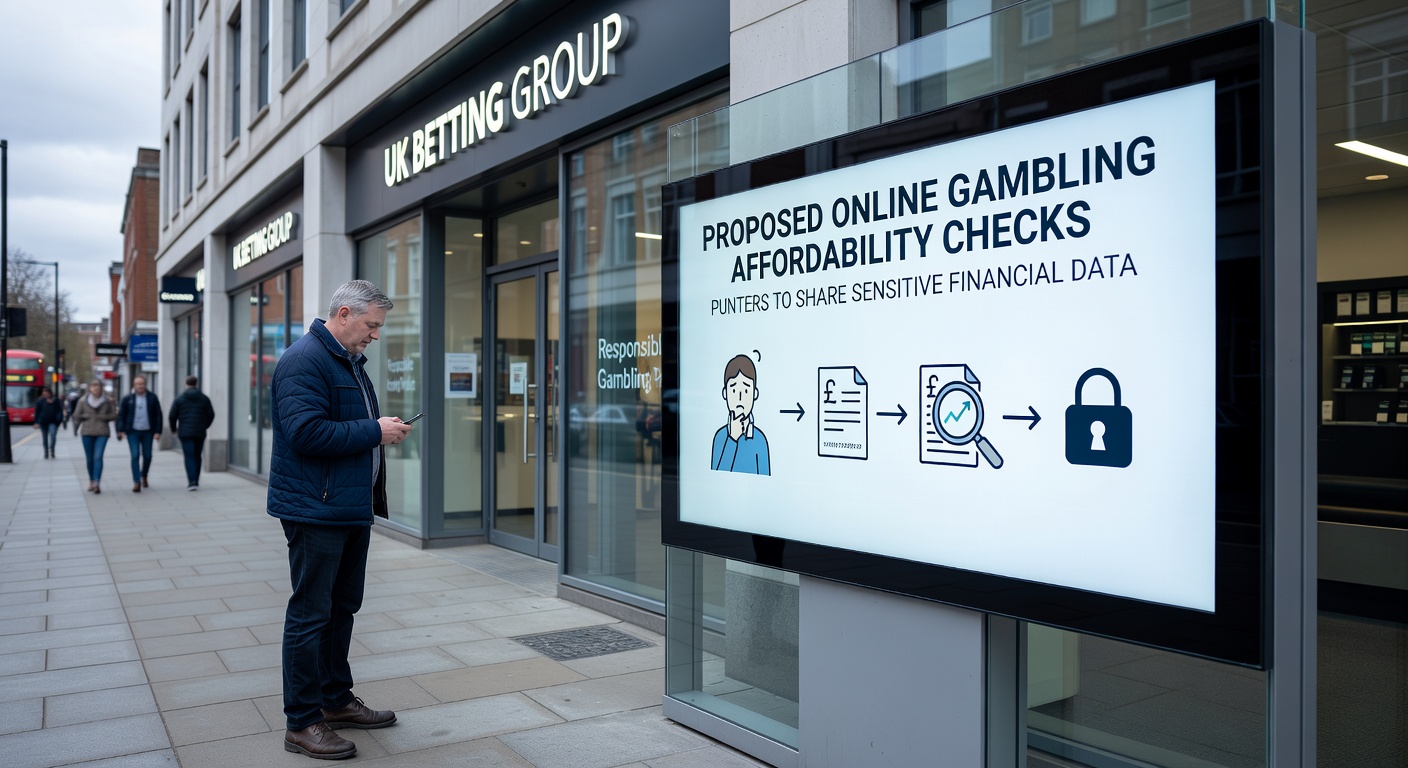
New rules slated for 2026 introduce a wagering cap at 10x the initial deposit, alongside stake limits on certain games and mandatory stricter financial vulnerability checks, all designed to safeguard consumers from overextension; the UK Gambling Commission has framed these measures as a direct response to patterns in operator data that flagged rising session intensities among vulnerable groups. According to previews from regulatory filings, platforms will need to implement frictionless affordability assessments that scan spending histories in real-time, potentially slowing deposit speeds for high rollers while letting low-stakes players proceed uninterrupted.
Here's where it gets interesting: the 10x wagering limit targets bonus playthroughs specifically, meaning promotions that once required 30x or more turnover will shrink dramatically, which could redirect marketing budgets toward retention tools like cashback rather than headline-grabbing free bets. Stake limits, varying by game type—say, £2 per spin on slots for non-verified users—aim to curb rapid losses, and financial checks will pull from credit files with user consent, flagging risks before they escalate.
Operators who've modeled these changes in simulations report they could trim gross yields by 5-10% initially, but long-term, experts predict adaptation through innovation, like gamified responsible gambling features that nudge players toward breaks without killing the vibe. Take one early adopter: a major platform already testing beta versions of these tools in March 2026 previews, where user feedback highlighted smoother experiences despite added safeguards. And while the rules roll out fully by year's end, partial implementations have begun, giving the market a runway to adjust without abrupt halts.
Sector Breakdowns Highlight Hotspots and Challenges
Delving deeper into Q4 specifics, real event betting's 38% surge stemmed largely from football and racing, where live streaming integrations boosted concurrent users by double digits; slots, with their 15% revenue bump, benefited from high-RTP variants that attracted 4.4 million players seeking quick thrills amid economic pressures that favored low-entry games. Data indicates non-real event remote gaming held steady as the backbone, but the real fireworks came from hybrid events blending virtual simulations with legacy sports data.
Those who've pored over the Gambling Commission figures note how GGY per player edged up modestly, reflecting better retention rather than reckless spending; monthly actives at 4.4 million equate to roughly 7% of the adult population logging in regularly, a sticky metric that projections to 2033 bank on for the $13 billion target.
But the rubber meets the road with regulations: stricter checks could verify incomes faster via open banking APIs, while stake caps on slots might push innovation toward skill-based hybrids that skirt pure chance labels. It's noteworthy that 2026 timing aligns with post-holiday lulls, allowing operators to recalibrate bonuses without clashing peak seasons.
Long-Term Projections Meet Regulatory Reality
Projections to 2033 assume the 5.4% CAGR holds through tech advancements like AI-driven personalization, which tailors odds and games to individual histories; yet, with 2026 rules capping excesses, growth might tilt toward volume over value, drawing in the other 40% of non-betting adults via safer entry points. Researchers modeling this scenario see online's 10% share of total bettors expanding to 15-20%, fueled by 5G rollouts that make lag-free betting ubiquitous.
One study highlighted how similar caps in other markets stabilized participation without cratering revenues, a precedent UK platforms eye closely; as March 2026 consultations wrap, feedback loops from trials suggest tweaks that balance protection with playability.
Wrapping Up the Current Picture
The UK online gambling scene, surging to £1.54 billion GGY in Q4 2024 with real events up 38% and slots