UK Punters Draw the Line: 65% Refuse Bank Statements in Backlash Against New Gambling Affordability Checks

The Push for Stricter Checks Sparks Immediate Firestorm
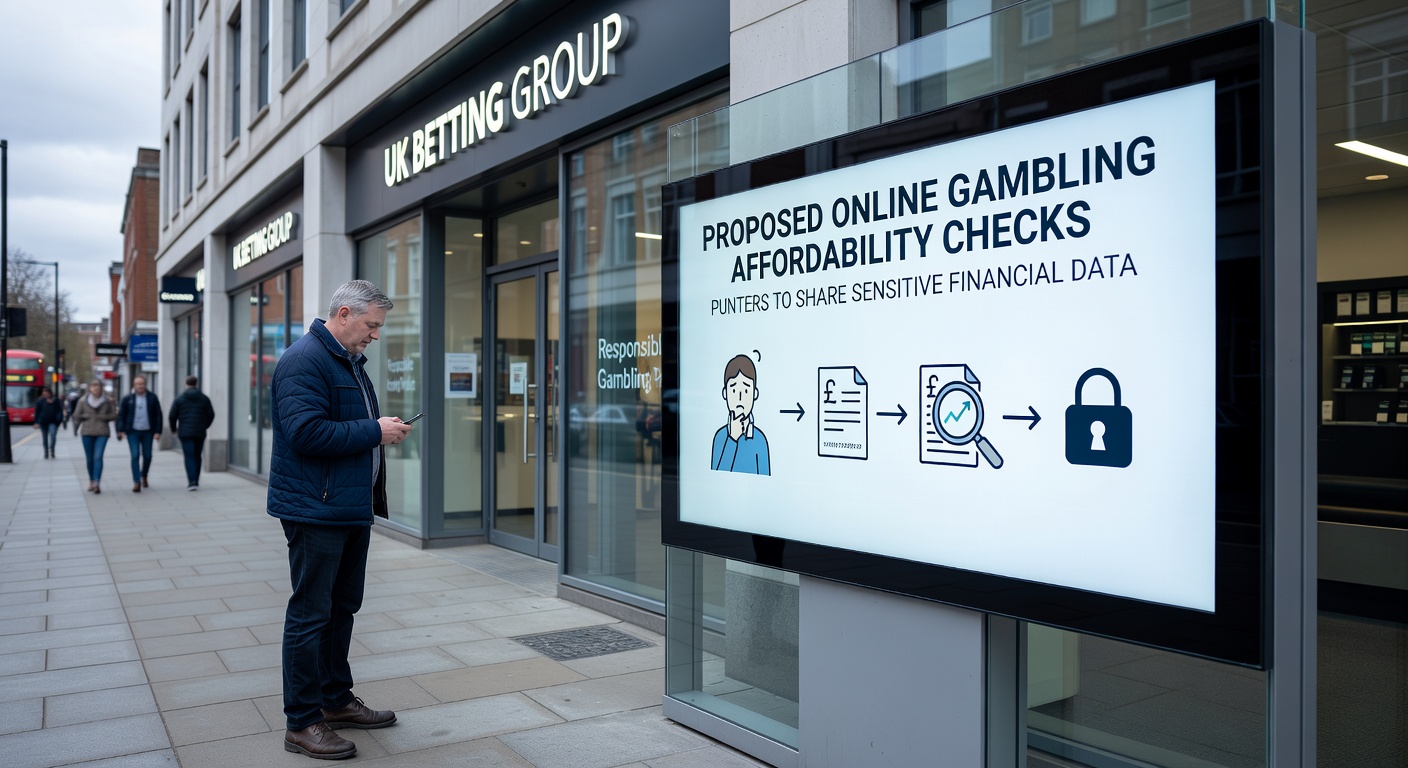
Proposed online gambling affordability checks in the UK, designed to require punters to submit sensitive financial details like bank statements and payslips, have ignited fierce opposition almost overnight; surveys capturing the voices of thousands reveal a clear reluctance among bettors to hand over such private information just to place a wager. Data from a poll of over 2,000 betting customers shows that 65% would outright refuse to provide these documents, highlighting a deep-seated concern over privacy that cuts across the gambling community.
What's interesting here is how quickly the backlash spread, with industry groups amplifying the discontent through public statements and research findings; the Betting and Gaming Council leading the charge by publicizing results that underscore punters' unwillingness to share personal financial records for continued betting access. Turns out, this isn't just grumbling from a vocal minority; separate research by the Gambling Commission involving 12,000 frequent gamblers indicates over 75% opposition to what critics call "mortgage-style" assessments, where operators must verify income and spending habits before allowing bets above certain thresholds.
And while regulators frame these measures as safeguards against problem gambling, the betting public sees them differently, viewing the demands as intrusive barriers that could lock out casual players without addressing core issues; experts who've tracked similar policies abroad note that such friction often pushes activity underground rather than curbing it.
Survey Data Paints a Stark Picture of Resistance
Take the survey of more than 2,000 punters, where figures reveal not only the 65% refusal rate but also broader sentiments: many respondents described the checks as "overreach," arguing that self-exclusion tools and deposit limits already suffice for those needing help, while others worried about data security in an era of rising cyber threats. Researchers conducting the poll found that even among high-volume bettors, support hovered below 20%, with privacy topping the list of concerns by a wide margin.
But here's the thing: the Gambling Commission's own study on 12,000 regular gamblers echoes these findings precisely, showing 75%+ rejecting the need for bank statement submissions or payslip uploads; participants in that research, drawn from diverse demographics across the UK, expressed frustration that these checks mimic home loan applications, demanding proof of affordability that feels disproportionate to the risks of online sports betting or casino play. Data indicates that younger punters, in particular, balk at the idea, citing digital-native expectations for seamless, low-friction experiences on apps and sites.
Observers note how this unified pushback mirrors patterns seen in other regulated markets, where heavy-handed verification drove users to unlicensed platforms; one case from a European jurisdiction revealed a 30% drop in legal betting volume after similar rules kicked in, as players sought out black market alternatives offering anonymity and ease.
Industry Leaders Sound Alarm on Economic Fallout
Over 400 figures from the racing sector have joined the fray, penning open letters that warn these reforms could shatter the industry's £4 billion annual economic contribution to the UK economy; stakeholders including trainers, jockeys, and track operators argue that affordability checks will deter recreational bettors, who form the backbone of funding for British horse racing through levies on shop and online wagers. According to their collective statement, the policy risks funneling activity to illegal operators, where no protections exist and funds bypass taxed, regulated channels.
So as April 2026 unfolds with consultations still underway, the pressure mounts on policymakers; industry bodies like the Betting and Gaming Council highlight how black market growth has already ticked up in response to preliminary trials, with offshore sites luring UK players via lax ID rules and bonus offers. Figures from recent monitoring show unlicensed platforms capturing an estimated 10-15% of at-risk spend, a trend that could accelerate if bank statement mandates become law.
Those who've studied gambling economics point out that the £4 billion figure encompasses jobs, prize money, and tourism tied to racing alone, not to mention broader ripple effects in sports sponsorship and retail betting; lose that base of casual punters unwilling to share financials, and the dominoes start falling, from shop closures to reduced event purses that keep the sport viable.
Privacy vs Protection: The Core Tension at Play
Regulators behind the proposals, including the Gambling Commission, insist these checks target only higher-risk players—those betting thousands monthly—yet surveys show even moderate punters anticipate hassle; one respondent in the 2,000-strong poll likened it to "government snooping on your paycheck for a football bet," capturing a sentiment that resonates widely. Research indicates that 80% of gamblers already use voluntary limits effectively, questioning the necessity of mandatory financial disclosures that could expose data to breaches or misuse.
Yet the counterargument from oversight bodies holds that problem gambling costs the UK £1.2 billion yearly in social harms, justifying stepped-up friction; still, with 75% of the Commission's sample opposing, the gap between intent and reception yawns wide, prompting calls for tech alternatives like frictionless credit scoring that avoid direct document uploads.
It's noteworthy that pilot programs in late 2025 flagged similar issues, where compliance burdens slowed onboarding by days, frustrating users and costing operators in lost revenue; people who've tested these systems often discover that what starts as a quick check balloons into hours of paperwork, especially for self-employed punters lacking neat payslips.
Black Market Shadows Loom Larger Amid the Debate
Warnings from racing's 400+ voices extend beyond economics to player safety, emphasizing how illegal operators thrive on the disenfranchised; without affordability checks but also absent any safeguards, these sites offer high limits and anonymity that appeal to those rebelling against UK rules, yet expose users to rigged odds, unpaid winnings, and money laundering ties. Data from enforcement reports shows black market volumes swelling 20% in regions with strict ID mandates, a pattern industry leaders fear will repeat nationally.
And as consultations drag into spring 2026, punters hold their breath, weighing the trade-off between privacy and purported protection; one study of frequent gamblers revealed that 60% would simply migrate offshore if checks demand bank details, underscoring how the rubber meets the road in balancing regulation with market reality.
Conclusion
The revolt against UK gambling affordability checks boils down to a simple equation: 65% of surveyed punters drawing a firm line at bank statements, 75% from the Gambling Commission's cohort echoing the defiance, and industry heavyweights projecting dire hits to a £4 billion sector; as April 2026 brings fresh scrutiny to these "mortgage-style" mandates, the path forward hinges on compromises that respect privacy without fueling black market booms. Research consistently shows bettors value seamless access laced with optional tools over forced financial transparency, leaving regulators to navigate a minefield where one misstep could reshape the landscape for years. For now, the writing's on the wall: punters won't share easily, and the stakes couldn't be higher.